




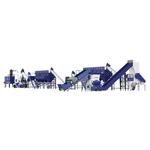
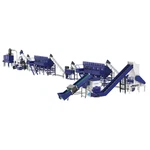
Plastic Pelletizing Machine


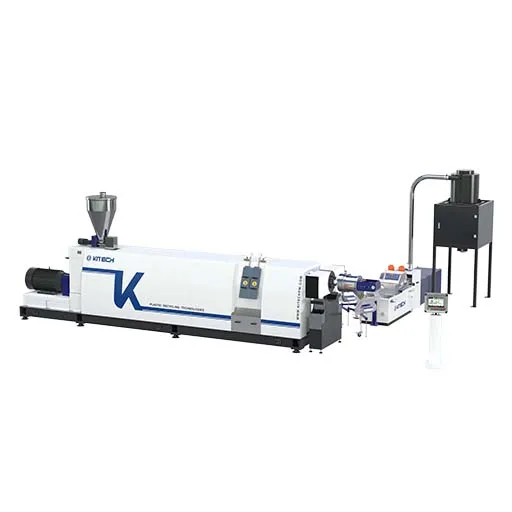
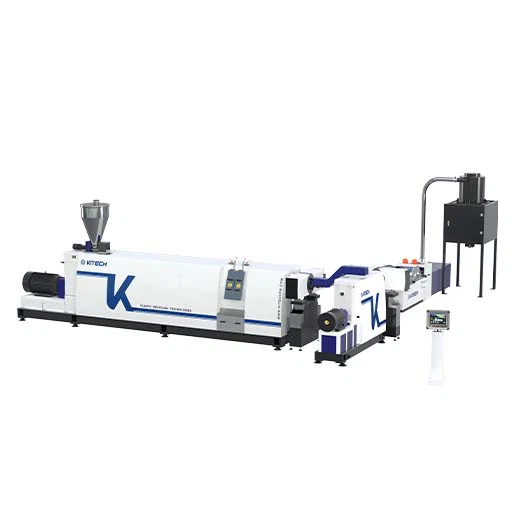
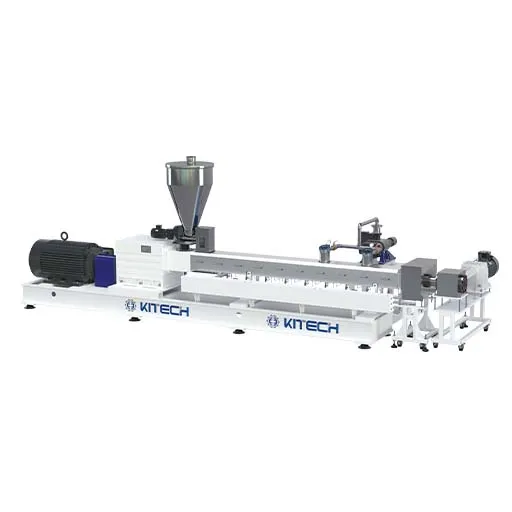
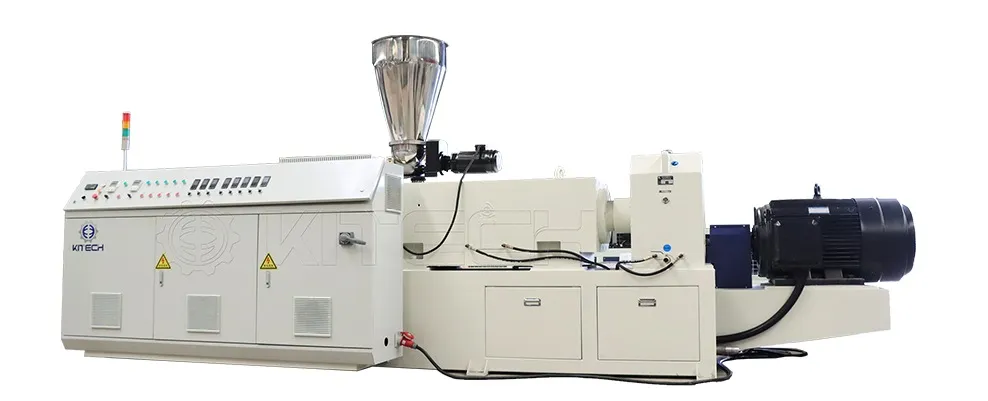
The plastic pelletizing machine also known as plastic granulator machine is mainly used for processing industrial and agricultural waste plastics. Plastic pelletizing/granulator machine is suitable for most common waste plastics, recycled pellets can be reused again to make new plastic products. As the most widely used and most popular plastic recycling machine in the waste plastic recycling industry. granule-making machines can both create significant economic benefits and optimize resource allocation to protect the environment.
Advantages of Plastic Pelletizing Machine
Increase In Efficiency
Plastic pelletizing machines can process large quantities of plastic scrap at a time, which results in faster and more efficient processing.
Consistent Output
Using a plastic pelletizing machine ensures consistent output of uniform sized plastic pellets, which can be re-used in manufacturing.
Reduction Of Waste
A plastic pelletizing machine reduces plastic waste by converting scrap plastic into high-quality pellets, which can be re-used in manufacturing.
Customization Options
Plastic pelletizing machines offer different cutter designs and screen options, which allows for customization of output size, shape, and consistency.
Cost-effective
Using a plastic pelletizing machine reduces the cost of producing new plastic products, as recycled plastic pellets are cheaper than virgin plastic pellets.
Environmentally Friendly
Recycling plastic and reducing waste can have a positive impact on the environment, and plastic pelletizing machines play a key role in this process.
Why Choose Us
Our factory
Kitech Machinery is a top-ranking manufacturer and supplier of high-standard plastic waste recycling machines. We focus on advanced plastic recycling technologies to benefit recyclers, save plastic resources, and reduce pollution worldwide. Kitech has established itself as a trustworthy partner for plastics recycling businesses worldwide, with a commitment to innovation, reliability, and customer satisfaction.
Quality control
By establishing a quality management system, KITECH MACHINERY continuously optimizes production processes and technologies, enhancing the reliability and stability of our plastic recycling equipment. This includes measures such as optimizing process flows, strengthening equipment maintenance, and improving employee skill levels to ensure the long-term and stable operation of products.
Production market
We have set up our systems in 55 countries or regions around the world and have received widespread praise from users.
Our service
Headquartered in China, Kitech operates a global network of manufacturing facilities, distribution centers, and service hubs, enabling the company to efficiently and promptly serve customers worldwide. Our dedicated team of professionals, along with strategic partnerships and alliances, ensures seamless operations and support worldwide.
Types of Plastic Pelletizing Equipment
There are several types of plastic pelletizing equipment available, each suited for different applications:
Single-screw pelletizers
Ideal for simple recycling tasks with consistent material types. These are commonly used for basic recycling operations where the plastic feedstock does not vary significantly.
Twin-screw pelletizers
Suitable for more complex recycling processes, offering better mixing and compounding capabilities. They are ideal for handling a mix of different plastic types and additives, providing superior homogenization.
Underwater pelletizers
These are used for high-output applications where the pellets are immediately cooled by water. This method is efficient for large-scale operations and helps in achieving a smooth and glossy pellet surface.
Air-cooled pelletizers
Suitable for materials that do not require water cooling and are sensitive to moisture. They are preferred in applications where water cooling might affect the quality of the pellets, such as in the recycling of hygroscopic plastics.
The main machine of the plastic granulator is an extruder system, which is composed of a transmission system, a heating and cooling system, and an extrusion system.
The Transmission System
The function of the transmission system is to drive the screw. The torque and speed required for the screw supply during the extrusion process are generally composed of a motor, a reducer and a bearing.
Heating And Cooling Device
The necessary conditions to ensure that the pelletizer can perform during plastic extrusion are heating and cooling. The control system of the plastic granulator includes a heating system, a cooling system, and a process parameter measurement system, which are mainly composed of electrical appliances, meters and actuators.The main function of the device is to control and adjust the drag motor of the main and auxiliary machines, output the speed and power in accordance with the process requirements, and make the main and auxiliary machines work in coordination; Detect and adjust the temperature, pressure and flow of the plastic in the extruder ; To achieve the control or automatic control of the entire unit.
The Extrusion System
The extrusion system includes a screw, a barrel, a hopper, a head, and a mold. The plastic is plasticized into a uniform melt through the extrusion system, and a continuous extrusion die is formed under the pressure in the process.
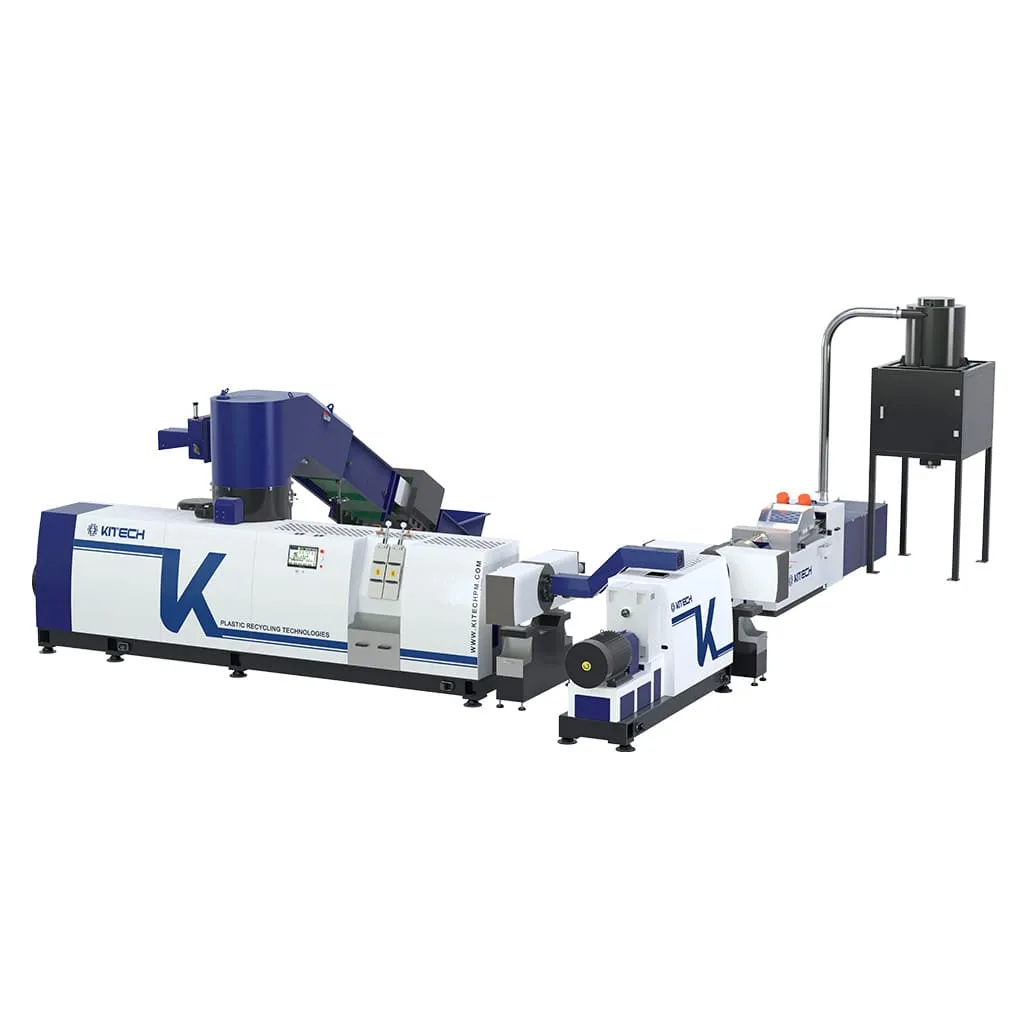
Material characteristics
Whether the material is powder or molten liquid, whether the slurry and audio paste material can be pumped and atomized, whether the material is thermally sensitive, etc., must be considered when selecting.
Requirements for production capacity
If the required production capacity is large, there are many methods that cannot be applied.
The shape of the granules
Rolling, stirring granulation and spray granulation can obtain approximately spherical particles; shot peening, cooling and solidification granulation can obtain completely spherical particles; extrusion granulation can produce cylindrical particles. The possible impact of particles of different shapes on subsequent work should be estimated.
Agglomeration strength
The mechanical strength of the particles obtained by powder agglomeration and shot peening is weak. If high-strength particles are required, pressing methods or sintering and roasting are required to strengthen them, and high-strength binders should be selected for extrusion molding.
Porosity and density of pellets
Porosity and density are closely related to strength. Some extrusion granulation processes can better control porosity and density to meet certain application needs.
Wet and dry methods
Wet granulation requires expensive solvents, and drying after taking the medicine may cause solvent loss. Some materials may be sensitive to solvents and not suitable for wet methods, and some materials may be heavy during drying. Crystals are in different shapes, and wet method cannot be used; dry granulation is easy to produce powder, which is not suitable for handling toxic chemicals and other dangerous materials.
Space limitation
For example, the extrusion method can obtain higher production capacity with a smaller device, while other methods, such as shot peening, require a higher vertical space to install tower equipment.
In the selection, at least two different granulation methods can be initially selected, and then further refined consideration can be made through experiments. Then consider whether the reliability and flexibility of the equipment are easy to manufacture and maintain, and make the final choice under the principle of the minimum total cost under the required output.
How to Choose a Good Plastic Pelletizing Machine
Rotational speed of the screw
This is the most critical factor affecting the productivity of an extruder. The screw rotation speed is not only to improve the extrusion speed and amount of material, but also to make the extruder achieve high output and get good plasticizing effect. In the past, the main way to increase the output of the extruder is to increase the diameter of screw. Although the screw diameter increases, in unit time extrusion material will increase. But the extruder is not a screw conveyor. Screw in addition to extrusion material, but also to the plastic extrusion, stirring, shear, plastic plasticization. Under the premise of constant screw speed, the stirring and shearing effect of the screw with large diameter and large screw groove on the material is not as good as that of the screw with small diameter. Therefore, modern extruders mainly improve productivity by increasing screw speed. Normal extruder screw speed, conventional extruder is 60 to 90 revolutions (per minute, the same below). Now it has been raised to 100~120 rpm. The higher speed extruder goes from 150 to 180 rpm.
The screw structure
Screw structure is the main factor affecting extruder productivity. If there is no reasonable screw structure, to simply improve the screw speed to increase the amount of extrusion, against the objective law, is not successful. High-speed and high-efficiency screw design based on high speed. The plasticizing effect of the screw at low speed will be poor, but the plasticizing effect will gradually improve after the screw speed is increased to achieve the best effect at the design speed. At this time, it has a high production capacity and qualified plasticizing effect.
Reducer
On the premise that the structure is basically the same, the manufacturing cost of the reducer is roughly proportional to its size and weight. Because the shape and weight of the reducer is large, it means that the material consumed during manufacturing is more, and the bearing used is also relatively large, which increases the manufacturing cost. With the same screw diameter extruder, the high-speed and high-efficiency extruder consumes more energy than the conventional extruder. It is necessary to double the motor power and increase the reducer frame size accordingly.
Drive motor
During the normal operation of the extruder, the motor drive system and the heating and cooling system are always working. The energy consumption of the transmission parts such as motor and reducer accounts for 77% of the overall energy consumption. Heating and cooling accounted for 22.8% of the input energy consumption. Meter electrical accounts for 0.8%. The extruder with the same screw diameter is equipped with a larger motor, which seems to cost electricity, but if calculated by output, the high-speed and efficient extruder is more energy saving than the conventional extruder. For example, an ordinary 90 extruder, with a motor of 75 kw and a capacity of 180 kg, consumes 0.42 kwh of electricity per kilogram of material extruded. However, a high-speed and efficient 90 extruder, with a capacity of 600 kg and a motor of 150 kw, consumes only 0.25 kwh of electricity for each kilogram of material extruded, and the power consumption per unit of extruded quantity is only 60% of the former. The energy-saving effect is remarkable.
Electrics
The electric units is the heart to a plastic pelletizing machine,choosing good brand electric elements maximum ensure the quality of the equipment. Through the choice of high quality screw, reducer, motor, can increase the service life of granulator, achieve the purpose of stable production.
Guide To Maintaining and Plastic Pelletizing Machines
Regular maintenance tasks are essential for keeping plastic pelletizing machines in top condition, ensuring that they perform optimally and last longer. Below are some essential tasks to consider when maintaining these machines:
Cleaning procedures
Keeping the machine clean is vital for preventing contamination and ensuring smooth operation. Regular cleaning helps to prevent the buildup of plastic residue, dust, and debris that can cause damage to the machine.
Lubrication requirements
Proper lubrication of the machine's moving parts is essential for reducing friction and wear, which can lead to premature failure. It is important to identify the correct lubricants for the different parts of the machine and to follow the manufacturer's guidelines on frequency and amount of lubrication.
Inspection of wear and tear
Regular inspection of the machine's components is necessary for identifying any signs of wear and tear. This allows for early detection and prompt repair or replacement before it becomes a major issue.
The plastic pelletizing machine market is experiencing significant growth driven by a variety of applications across different industries. Plastic pelletizing machines play a crucial role in recycling plastic waste into reusable pellets, contributing to environmental sustainability. These machines are extensively used in the packaging industry, where plastic pellets are reused to manufacture new packaging materials. This application helps in reducing the environmental impact of plastic waste by enabling its reuse and minimizing the need for virgin plastic production.
Another key application of plastic pelletizing machines is in the automotive industry. Here, recycled plastic pellets are utilized in manufacturing various automotive components, such as bumpers, dashboards, and interior trims. The use of recycled plastic not only reduces production costs but also supports automotive companies in meeting sustainability goals. The increasing demand for lightweight materials in vehicles further enhances the adoption of plastic pellets derived from recycling processes.
Furthermore, the construction sector represents a significant application area for plastic pelletizing machines. Recycled plastic pellets find utility in producing construction materials such as pipes, insulation panels, and flooring. By incorporating recycled plastic, construction companies contribute to reducing their carbon footprint and adhering to regulatory standards for sustainable building practices. The versatility of plastic pellets in construction applications underscores their importance in the industry's shift towards greener practices.
In addition to packaging, automotive, and construction, plastic pelletizing machines are also utilized in the electronics and electrical industries. Recycled plastic pellets are integral to manufacturing electronic casings, cables, and connectors. This application not only supports the efficient use of resources but also aligns with the electronics industry's increasing focus on sustainability. The adoption of plastic pelletizing machines in electronics contributes to reducing e-waste and promoting the circular economy.
Lastly, the healthcare sector is emerging as a niche application area for plastic pelletizing machines. Recycled plastic pellets are used in manufacturing medical devices, packaging for pharmaceutical products, and healthcare equipment components. This application demands stringent quality standards to ensure the safety and reliability of plastic materials used in medical settings. The growing adoption of plastic pelletizing machines in healthcare underscores their role in enabling sustainable practices within sensitive industries.
Among the important insights provided are market and segment sizes, competitive settings, current conditions, and emerging trends. Comprehensive cost analyses and supply chain evaluations are also included in the report. Technological developments are predicted to boost product performance and promote broader adoption in a variety of downstream applications. Understanding market dynamics, which include opportunities, challenges, and drives, as well as consumer behavior, is also essential to understanding the plastic pelletizing machine market environment.
Our factory
Kitech Machinery is a top-ranking manufacturer and supplier of high-standard plastic waste recycling machines. We focus on advanced plastic recycling technologies to benefit recyclers, save plastic resources, and reduce pollution worldwide. Kitech has established itself as a trustworthy partner for plastics recycling businesses worldwide, with a commitment to innovation, reliability, and customer satisfaction. We have set up our systems in 55 countries or regions around the world and have received widespread praise from users. This gives us great motivation to maintain continuous innovation and improvement. In addition to our extensive product portfolio, we provide customized solutions, equipment rentals, maintenance services, spare parts, and technical training to ensure optimal performance and longevity of our machinery. Headquartered in China, Kitech operates a global network of manufacturing facilities, distribution centers, and service hubs, enabling the company to efficiently and promptly serve customers worldwide. Our dedicated team of professionals, along with strategic partnerships and alliances, ensures seamless operations and support worldwide.


