






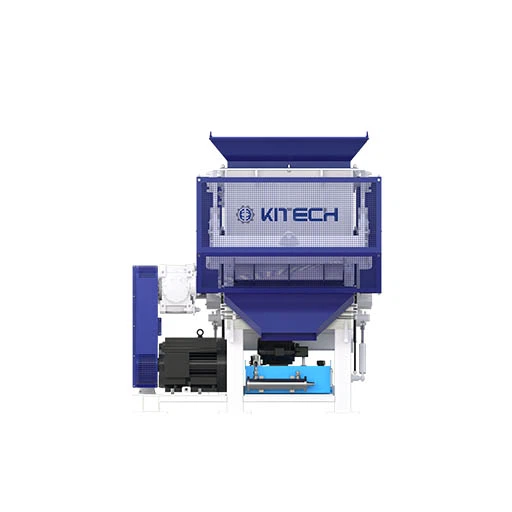
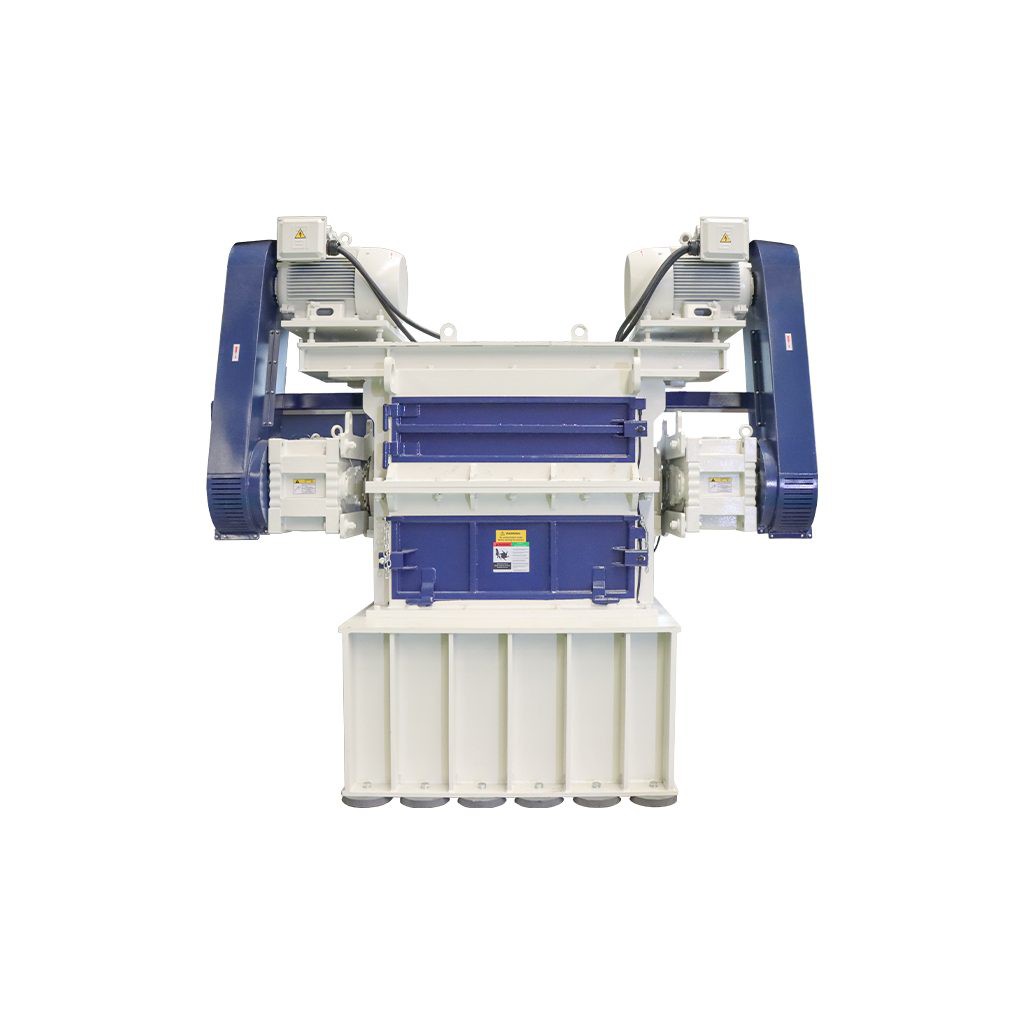

A shredding machine is equipment utilized for shredding. Shredding machines are used to reduce the size of materials. While most online sources define the shredding machine as "equipment used to shred documents as a privacy measure to avoid identity theft," shredding machines can be of many forms depending on the material being shredded. There are shredding machines designed to handle material shredding across a span of recycling uses, including recycling plastic, recycling scrap metal, e-waste, recycling wood, and tire-shredding or recycling. The shredding operation produces raw materials to be re-introduced into manufacturing, as well as complete products like landscape mulch. Many terminologies are utilized to describe size reduction machines, including grinders, granulators, chippers, and hammer mills. Overall, their main purpose is to reduce the size of a given material.
Increase Security
The main advantage of a good shredding is the increase in information protection for a business. Modern businesses should work to guarantee that their sensitive data will not be exposed to the wrong parties. From both competitive and regulatory perspectives, it is crucial that businesses put their private data far from the access of unauthorized personnel. A good shredding machine can help do just that.
Reduce Waste Volume
By shredding documents and other media, the size of the waste output by a business is also reduced. This will make waste management much more efficient and can minimize the costs when waste removal is charged by volume.
Minimize Costs
Investing in a personal shredder will also bring abundant cost savings when paying individual third party suppliers to handle the shredding. Good quality shredding machines are becoming better and cheaper for any size of business. The long-term difference between a personal shredding machine and paying for shredding services is quite massive. Having a personal shredder on site also increases security, removing the need to send sensitive information out to be destroyed.
Increase Efficiency
Having a personal shredder can also greatly increase efficiency in a business. With a personal shredding machine, there is no need to wait for long durations between visits from dispatches to third-party or suppliers’ individual shredding services. There will no longer be any need to manage, organize, and store documents and other items which are set to be shredded. With a personal shredding machine, documents and other types of sensitive data can be destroyed immediately.
Why Choose Us
Our factory
Kitech Machinery is a top-ranking manufacturer and supplier of high-standard plastic waste recycling machines. We focus on advanced plastic recycling technologies to benefit recyclers, save plastic resources, and reduce pollution worldwide. Kitech has established itself as a trustworthy partner for plastics recycling businesses worldwide, with a commitment to innovation, reliability, and customer satisfaction.
Quality control
By establishing a quality management system, KITECH MACHINERY continuously optimizes production processes and technologies, enhancing the reliability and stability of our plastic recycling equipment. This includes measures such as optimizing process flows, strengthening equipment maintenance, and improving employee skill levels to ensure the long-term and stable operation of products.
Production market
We have set up our systems in 55 countries or regions around the world and have received widespread praise from users.
Our service
Headquartered in China, Kitech operates a global network of manufacturing facilities, distribution centers, and service hubs, enabling the company to efficiently and promptly serve customers worldwide. Our dedicated team of professionals, along with strategic partnerships and alliances, ensures seamless operations and support worldwide.
Cardboard Shredder
A cardboard shredding machine is an industrial or commercial recycling machine that instantly recycles and repurposes cardboard waste material into packaging material. These cardboard shredding machines can make cushioning netting, chips, flat netting, or strips.With a cardboard shredding machine, cardboard waste is quickly converted into packaging material. This cardboard is eco-friendly and saves on waste-carrying expenses and the need for purchasing packing materials. A cardboard shredding machine produces void fill materials in different sizes and shapes to protect goods in transportation while at the same time reconstructing and reusing cardboard waste material in an environmentally friendly way.
Paper Shredder
A paper shredding machine is electronic equipment used to shred (usually sensitive or confidential) paper documents into indecipherable particles. The shredding machine shreds documents using a set of spinning cutting blades spun by an electric motor. The size of the output pieces depends on the kind of paper shredding machine. Shredding machines are categorized into strip cut, cross cut, and micro-cut shredders. A shredding machine can turn documents into tiny paper shreds or long strips as tiny as confetti.
Plastic Shredder
A plastic shredding machine is equipment used to reduce plastic into tiny pieces for granulation. Unlike plastic granulators, shredding machines are designed particularly for large plastic waste, such as car bumpers, drums, pipes, and other products too big for granulators.
In the operation, big plastic products are fed into the shredding machines. Moving at slower speeds than granulators, blades break the plastic apart into smaller chunks. These particles are then collected, cleaned, and treated in cleansing and recycling plants prior to being granulated and delivered to manufacturers. This machine offers several advantages in addition to reducing plastics that are utilized as raw materials for other products such as storage containers, packaging bags, toys, and consumer electronics. The different applications of plastic shredding machines include the plastic industry, catering industry, laboratories, manufacturing units, pharmaceutical companies, biomedical waste management plants, food processing facilities, nursing homes, cardboard manufacturing units, healthcare facilities, and supermarkets.
Hard Drive Shredder
Hard drives are full of confidential data, from financial information and customers’ social security numbers to nuclear weapon plans. Hard drive shredding is a generally used method to physically destroy a hard drive. A hard drive shredder crushes the hard drive so that criminals will be less motivated to try to retrieve the data stored on the shredded remains, but it doesn’t destroy it.
A common fallacy is that shredding media makes the data unrecoverable. However, physically destroying or shredding the media does not eliminate data from the disk platters since data is stored magnetically. Data is recoverable from larger particles of a shredded drive with the usage of tools and applications available on the internet. Even smaller particles of shredded hard drive can be read with the usage of magnetic force microscopes.
Tire Shredders
Tire shredders are shredding machines that are capable of reducing tires into a constant particle size. This type of shredder can also be utilized for a wide range of materials such as aluminum, plastics, paper, and cables. The tire shredding is capable of reducing tires and hence making recycling of tires easier. The end result, the tire waste, may often be sold.
Chipper Shredder
A chipper shredder, also called a wood chipper, shreds twigs, branches, and leaves into compost and mulch material, helping in keeping landscapes looking their best. Chipper shredders vary from light duty electric equipment to heavy-duty gasoline-powered machines that can chop branches more than a few inches in diameter. A chipper shredder features a chute that receives branches for chipping. A spinning blade or array of blades chops them down into wood chips. The shredding mechanism handles small debris, such as grass and leaves. As material is being fed into the shredding machine hopper, it is shred by a separate array of hinged blades also known as hammers or flails. Some bigger shredding machines can manage small twigs. Once the machine shreds or chips the debris, the reduced material is discharged into a collection bag or onto the ground.
The main differences to consider when choosing between a granulator or shredder include:
Particle Size And Shape
Granulators, with their consistently uniform granules, offer a more precise and refined particle size and shape compared to the rougher output of shredders. This is because granulators are designed to pass materials through specific screen holes, resulting in particles that meet a desired diameter.
Cutting Mechanism
With their open-rotor design, granulators employ a cutting mechanism that shears materials, resulting in a more precise and refined particle size and shape. This cutting action is similar to scissors.
On the other hand, shredders tear materials apart using a different mechanism. They use high torque and low speed to forcefully rip the material into smaller pieces. This tearing action is more suitable for coarse size reduction tasks.
Speed And Capacity
Granulators are designed to operate at high speeds with low torque, allowing them to efficiently process smaller materials. On the other hand, shredders work at lower speeds but with high torque, making them capable of handling larger and heavier scraps.
This means that if you have materials that are big and bulky, a shredder is the ideal choice. However, if you are dealing with smaller components that need to be consistently sized, a granulator would be more appropriate.
Materials Processed
Granulators require careful feeding to avoid the machine jamming whilst shredders do not require this – Shredders work more efficiently with large volumes of scrap.
Both granulators and shredders can handle plastic and non-plastic material. However, shredders are often preferred over granulators for the processing of non-plastic material, such as rubber, copper, and aluminium.

Rotor
The rotor on a shredder has saw teeth cutters that mesh with knives to shred scrap and waste.
Blades
Blades are at the heart of a shredder but must be chosen carefully to fit the material to be shredded since not all blades can be used on all materials. They are made of hardened alloyed steel and may be coated to add to their useful life.
Housing
The housing contains all of the components of the shredder and is made of heavy duty metal.
Motor
The motor on a shredder operates at a slow speed to lessen its stress. The slow rotating speed and high torque allows the shredder to shred a variety of materials.
Power systems
The two types of shredders are hydraulic and electric. Electric systems are preferred since they take up less space and can process most materials. Hydraulic power is better for heavy duty processing and can handle overloads from batch feeding.
Feeding
Batch and meter feeding are the most common feeding methods, where batch feeding is designed to shred large quantities of material. Metered feeding is placing materials in the shredder at an even flow and normally employs some form of conveyor.
Grabbing
This is the process whereby the shredder takes the material and pulls it down into the cutting blades. Its function is determined by the size and shape of the cutter hook as well as the texture and weight of the material.
Control systems
With the advancement of technology, modern shredders for industrial use have touch panel control systems that allow for in process adjustments to shredding eliminating the need to access the mechanism to make changes and adjustments.
Factors To Consider When Selecting A Shredder Machine
Choosing the right shredder machine is important to ensure that it can effectively meet your business needs. Here are some factors to consider when selecting a shredder machine:
Type Of Material
Consider the type of material that needs to be shredded. If you need to shred mainly paper documents, a strip-cut or cross-cut shredder may be sufficient. However, if you need to shred other materials such as credit cards, cds or dvds, consider a shredder with specific capabilities for those materials.
Security Level
Determine the level of security required for your shredding needs. The level of security ranges from low-security strip-cut shredders to high-security micro-cut shredders. The more sensitive the information, the higher the security level should be.
Volume
Determine the volume of materials that need to be shredded regularly. A smaller business with low-volume shredding needs may benefit from a smaller shredder, while a larger business may require an industrial shredder capable of handling large volumes of materials.
Speed
Consider the speed of the shredder. The faster the shredder, the more efficient it will be in handling larger volumes of materials.
Maintenance
Consider the maintenance required for the shredder. Some shredders require more maintenance than others, and it is important to factor in the cost of maintenance and replacement parts.
Selecting the right shredder machine will depend on the specific needs of your business. By considering the type of material, security level, volume, speed, maintenance requirements, and cost, businesses can make an informed decision and choose a shredder machine that will meet their sustainability goals effectively.
Shredder Maintenance Tips
Keep Your Shredder Lubricated
One of the most important maintenance tips for all types of shredders is to regularly lubricate the shredder blades. This is because the lubrication of your blades will diminish over time, which can cause the effectiveness of the shredder's blades to decrease.
This means that the machine will shred much slower, and will also start to jam up. If the blades are left unlubricated for a prolonged period of time, then it could significantly reduce the ability of the shredder. It could cause more long-term problems that require intricate fixes.
How often you should lubricate your shredder blades is very much dependent on how often the shredder is used. If you are only using the shredder occasionally, then a simple lubrication every 2 months should suffice. However, if you are using your shredder daily, then you should start thinking about a regular schedule of around every 2 weeks.
Keep Your Shredder Clean
As with all electrical appliances/machinery, regularly cleaning your shredder is an integral part of its maintenance. A dirty shredder that is never emptied or cleaned has a much higher chance of breaking down and needing repairs. Therefore, a regular cleaning process will help to prolong the life of your shredder and keep it effective and efficient.
If you do not clean your shredder, then you should expect to see a build-up of paper particles and dust. An excessive build-up will have a considerable impact on the motor, and therefore the functionality of the shredder.
It is recommended that you clean your shredder every month. However, this very much depends on your usage. If you use your shredder multiple times a day, then a regular cleaning schedule could be necessary to make sure that it can function properly.
Allow For Cool-off Periods
Another way of helping with the regular maintenance of your shredder is to give it cool-off periods. When shredders are being used for a long period, they can become overheated. While this will most likely not cause any complications at the time, it can damage the overall lifespan of the shredder if consistently done.
These cool-off periods do not need to be long periods. The time that a shredder needs to cool-off depends on the model that you have. Higher-quality shredders may only need around 30 seconds every so often just to make sure that it does not get overworked.
These cool-off breaks are by no means necessary. However, they are recommended as a way of prolonging the lifespan of what was probably an expensive piece of machinery. This is a maintenance tip that will show its worth down the line.
Do Not Overload The Shredder
While most shredders will state exactly what their capacity is, it is not uncommon for people and businesses to push these machines past their limits. This often means that machines are being overused beyond their capabilities, which is then resulting in damages and costly repairs.
When using a shredder, abiding by its stated capacities is vital. These capacities are shown so that the shredders are not given loads that they cannot cope with. If you are regularly overloading them, then you should not be surprised when they start to break down and become faulty.
If a shredder has a capacity of 300 sheets, then trying to load 350 sheets will not abide by the mechanics of the machine. As we have stated previously, these machines can be very expensive. It is therefore important to treat them with care to lengthen their lifespan and to ensure that you get the most out of your initial investment.
Our factory
Kitech Machinery is a top-ranking manufacturer and supplier of high-standard plastic waste recycling machines. We focus on advanced plastic recycling technologies to benefit recyclers, save plastic resources, and reduce pollution worldwide. Kitech has established itself as a trustworthy partner for plastics recycling businesses worldwide, with a commitment to innovation, reliability, and customer satisfaction. We have set up our systems in 55 countries or regions around the world and have received widespread praise from users. This gives us great motivation to maintain continuous innovation and improvement. In addition to our extensive product portfolio, we provide customized solutions, equipment rentals, maintenance services, spare parts, and technical training to ensure optimal performance and longevity of our machinery. Headquartered in China, Kitech operates a global network of manufacturing facilities, distribution centers, and service hubs, enabling the company to efficiently and promptly serve customers worldwide. Our dedicated team of professionals, along with strategic partnerships and alliances, ensures seamless operations and support worldwide.


