




Plastic Recycling Machine
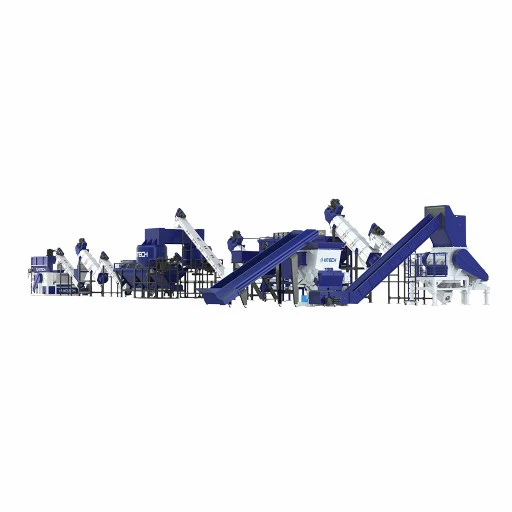

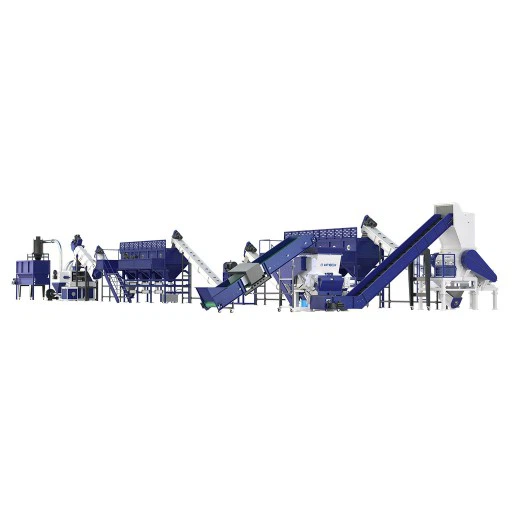


Plastic recycling is the process of converting waste or used plastic into new products. Plastic is frequently recycled from the same material, but it can also be recycled from different types of plastics. This process is commonly used for packaging, containers and bottles. Plastic recycling machines are used in several industries to recycle different types of plastics. These machines are highly efficient and provide a high quality product with little waste. The cost of a plastic recycling machine varies depending on the size, type and model that you want to purchase. Plastic recycling machines come in all shapes and sizes but they all have one thing in common – they turn mixed plastic waste into new products like bottles, bags and packaging.
They're reducing the consumption of raw materials
Oil isn't a renewable resource we only have a lot of it. However, because of plastic and plastic recycling machines, our company is now able to produce oil of our own. These appliances allow us to consume fewer raw materials than we normally would. We simply have a great deal oil, and plastic recycling machines let us use a smaller amount of it.
It reduces air and water pollution
When plastic is placed in landfills, it may cause plenty of damage. Landfills pollute air and water around them. Since plastic doesn't degrade naturally, it is actually a major cause of this concern.
It might reduce energy usage
Plastic recycling machines require energy so that you can run. With that in mind, these machines don't use just as much energy as you may think. When you purchase the correct machines, you'll have the ability to recycle plastic without consuming much energy whatsoever. On many occasions, these recycling machines use only a small amount of energy. A majority of these machines were built to be energy efficient. Even if the machines are constantly recycling plastic, they won't be utilizing everything that much power.
They may be very profitable
Plastic waste is easy to have. Once individuals are completed with plastic products, they merely want to remove them. However, plastic which has been converted into something different -- like oil -- has many value. If you buy plastic recycling machines, it will be possible to profit the planet. However, you will also be able to start using these machines to help yourself.
Why Choose Us
Our factory
Kitech Machinery is a top-ranking manufacturer and supplier of high-standard plastic waste recycling machines. We focus on advanced plastic recycling technologies to benefit recyclers, save plastic resources, and reduce pollution worldwide. Kitech has established itself as a trustworthy partner for plastics recycling businesses worldwide, with a commitment to innovation, reliability, and customer satisfaction.
Quality control
By establishing a quality management system, KITECH MACHINERY continuously optimizes production processes and technologies, enhancing the reliability and stability of our plastic recycling equipment. This includes measures such as optimizing process flows, strengthening equipment maintenance, and improving employee skill levels to ensure the long-term and stable operation of products.
Production market
We have set up our systems in 55 countries or regions around the world and have received widespread praise from users.
Our service
Headquartered in China, Kitech operates a global network of manufacturing facilities, distribution centers, and service hubs, enabling the company to efficiently and promptly serve customers worldwide. Our dedicated team of professionals, along with strategic partnerships and alliances, ensures seamless operations and support worldwide.
Plastic recycling machines used to recycle plastic bottles and other plastic products. There are different types of machines that can be used to recycle plastic.
Shredders
Plastic shredders include models for a wide range of raw materials, such as: Plastic drum, plastic film, and cutting pipe shredders. Plastic shredders are used to break down large pieces of plastic into plastic flakes material. This helps to prepare the plastic for recycling.
Pelletizers
Usually connected to an extruder and dryer for cutting the freshly produced plastic wire into small pellets.
Mixer
Plastic mixers are used to mix different types of plastic together before melting. Mixers are divided into horizontal mixers and vertical mixers, which are usually used to mix the freshly produced plastic pellets and masterbatch or other raw material evenly. This helps to create a stable product.
Extrusion machines
Extruders are used to melt plastic and then extrude it into pellets or new products.
Moulding machines
Moulding machines are used to shape the molten plastic into the desired product. You can often see on production industries line


Washing line
Washing lines s are used to clean the recycled plastic before turning it into a new product. With the conveyor belt, the dirty materials and dirt can be cleaned. Washing is an important processed in the plastic recycling system.
Drying machines
Drying machines are used to remove any moisture from the recycled plastic materials.
Sorting machines
These machines are used to separate the different types of plastic.Usually use vibration screening machine to screen the material according to the different sizes, sieve out and collect.
Labelling machines
For attaching labels to goods. Labelling machines are used to label products made from recycled plastic.
Packing machines
Packaging machines are used to package the recycling plastic flakes for sale.
Conveyor
Conveyor are used to move products from one machine to another.Common conveyors include spiral conveyors, vibratory spiral conveyors and bucket conveyors.
Some General Steps That Are Common to All Methods of Plastic Recycling Machine
Sorting And Categorizing
Sorting is the process of separating different types of plastics so that they can be used effectively in different ways. Sorting may involve manual labor or machines that can spin and separate plastics into categories based on chemical makeup. The related machinery is a sorting/sieving machine.
Washing
In order to use recycled plastic in manufacturing new products, it must be cleaned so that any impurities are removed from it. Washing involves scrubbing away dirt and debris from the outer surface of a piece of plastic so that it can be reused with confidence that there are no contaminants left behind. It also allows manufacturers to choose which parts of the product should be made out of recycled material and which parts should be made out of virgin material (newly manufactured). The related machinery is a plastic recycling washing system.
Shredding/Crushing
The plastic is then fed into a plastic shredder/crusher machine, breaking it down into much smaller pieces. These small pieces are easier to process than a whole form of plastic products. This makes them great for other uses such as an additive to asphalt, or simply selling them as raw materials. The broken-down nature also helps find any leftover impurities such as metal that might not have been washed away before.
Identification And Separation Of Plastics
Plastics are categorized according to their densities, thicknesses and other properties using various tests. For example: Particles float if they are lighter than water, heavier if less dense than water, and remain at the bottom of a tank if heavier or denser than water.
Extruding And Compounding
This final process step is where the particles of shredded plastic are transformed into a useful product for manufactures. The shredded plastics are melted with an extrusion pelletizing machine and crushed together to form pellets. It is worth noting that it isn’t always possible to compound all types, classifications, and qualities of plastic at one facility, so different grades of plastics are sometimes shipped off to other recycling plants for this last step.
The Future Of Plastic Recycling Machines
Plastic recycling machines play a crucial role in waste management by addressing the growing issue of plastic pollution. These machines offer various types, such as pelletizers and shredders, which enable efficient processing of different types of plastics. By converting waste plastics into reusable materials, these machines contribute to creating a circular economy that reduces reliance on virgin resources.
Understanding the process of plastic recycling is essential to fully grasp the benefits that these machines provide. They consist of key components that enable effective sorting, washing, melting, and extrusion processes. With advancements in technology, innovations in plastic recycling have emerged, improving efficiency and maximizing profitability for businesses.
Using a plastic recycling machine offers numerous benefits for both businesses and the environment. Companies can reduce their dependence on costly raw materials while minimizing waste disposal expenses. Adopting sustainable practices through recycling contributes to environmental conservation by reducing carbon emissions and conserving natural resources.
When choosing a plastic recycling machine, several factors need consideration. Efficiency, capacity, reliability, and compatibility with specific types of plastics are crucial aspects to evaluate. It is important to select a machine that aligns with your business requirements and goals.
Looking ahead, the future holds promising developments in plastic recycling technology. Innovations continue to emerge aimed at enhancing efficiency and expanding the range of recyclable plastics. These advancements will further strengthen the impact of plastic recycling machines in combating the global issue of plastic waste.
To maximize efficiency and profitability with your chosen plastic recycling machine, it is essential to optimize its usage based on your specific needs. Regular maintenance and proper training for operators ensure smooth operations while extending the lifespan of the equipment.
In conclusion, investing in a reliable plastic recycling machine not only benefits your business but also contributes to a cleaner environment by reducing plastic pollution. Take action today by exploring suitable options that meet your requirements and join the movement towards sustainable waste management.
Selection Tips for Plastic Recycling Machines
Material to be recycled
When choosing plastic recycling machinery, businesses should consider what plastics they need to recycle. Some plastics may need one type of plastic processing, while others require complicated processing.
The varieties of recyclable plastics include polyethylene terephthalate (PET), high-density polyethylene (HDPE), low-density polyethylene (LDPE), and polypropylene (PP). PET recycling machines are commonly used for making soda and water bottles because of the clear nature and high resistance to cracking of the material.
Each type of plastic material has a specific recycling machine. HDPE machines make plastic bottles and containers for milk and juices. LDPE machines make plastic films, packaging, and bags. PP is a light and strong plastic with many applications, such as bottles, containers, and packaging.
Output capacity
Output capacity is an important factor when choosing a plastic recycling machine. The higher the output capacity, the more material it can recycle in a shorter time, which means higher efficiency and cost-effectiveness.
Output capacity is also important because it determines the size and type of equipment needed to handle the plastic material. Some machines may require additional parts or modifications to accommodate larger quantities or different plastic materials.
Energy efficiency
Businesses may need to consider energy efficiency when choosing a plastic recycling machine. Energy efficiency affects both the environmental and economic impact of the recycling machine.
A machine that is energy efficient will require less energy to operate, which will reduce the amount of energy consumed and the associated costs.
It will also reduce the amount of greenhouse gases emitted, helping to reduce the environmental impact of plastic recycling. Energy-efficient plastic recycling machines are also more cost-effective, making them a better investment in the long run.
Quality of end product
When purchasing a plastic recycling machine, it is important to consider the quality of the end product. The quality of the end product reflects the efficiency and effectiveness of the machine.
The factors affecting the machine’s effectiveness and efficiency are how well the machine sorts and processes the material and the amount of contamination present in the recycled material.
Poor-quality recycled materials can lead to more energy and resources being used in the manufacturing process and can also lead to a decrease in product performance.
Buyers should choose a plastic recycling machine that manufactures products that are not only sturdy and long-lasting but also appealing to a consumer’s eye.
Material Feeding Instability
Feeding waste materials into plastic recycling machines must be stable to achieve maximum productivity while preventing machine downtime. Excess feeding or insufficient feeding often results in poor production efficiency.
●Solution: Automatic material feeding systems with a belt conveyor, screw conveyor, or nip roller feeders that work synchronously with the plastic pelletizer can provide stable material feeding. These polystar feeding systems pause or run based on the load of the pelletizer, resulting in maximum feeding efficiency.
Contamination Of The Plastic Material
Food residue, dirt, oil, and other impurities as well as mixing different types of plastics can contaminate the recycled pellets and cause a decrease in quality and reusability of them. Contamination also makes the recycling process less efficient, producing more waste while raising costs.
●Solution: The easiest solution is to ensure that the waste plastics are clean and sorted to their types before they are fed into the recycling machines. Dirty post-consumer plastic waste must be washed and dried before the recycling process.
Blockages And Hopper Bridging
Material blockage generally causes by improperly prepared materials or poor maintenance of the machine components. In the hopper-feeding recycling machines, the material might cause bridging because of interlocking each other or due to the moisture (for tiny particles).
●Solution: Proper preparation based on type, shape, and condition of the waste material for your recycling machine, and using auto-feeding systems can solve many material blockage problems. Periodic maintenance on the machine components, regularly changing filter meshes, and unclogging the die head are also easy and common preventions. Using force feeders for hopper-feeding recycling machines can help prevent material bridging.
Overheating
Overheating the plastic waste in the integrated pre-conditioning equipment (such as the cutter compactor and shredder) or overcooking the plastic melt in the extruder often causes the degradation of the recycled pellets. This reduces their reusability and weakens the quality of final plastic products.
●Solution: Setting the right temperature on the particular sections of the recycling machines based on the materials, calibrating heating and cooling elements efficiently, and using reliable components which do not cause temperature imbalance can significantly prevent material overheating problems. Prevention of material blockages also reduces local clogging and overheating problems.
Sticky Plastic Pellets
There might be several reasons that makes recycled pellets stick to each other. Higher extruder temperature, poor pellet cooling, and material characteristics are the most common reasons.
●Solution: Setting the right extruder temperature parameters based on your material, and ensuring the cooling water temperature (air temperature on air-cooled recycling machines) is at a suitable level can solve most of the sticky plastic pellets problem. Using a centrifuge dryer can also prevent pellets stick to each other while also further drying them. Using a chiller, especially for hot climates is also suggested.
Hollow Plastic Pellets
Hollow plastic pellets are not preferred for plastic production. They often cause inefficient production and poor final product quality because of their low density, reduced strength, inconsistent size, and shape. Poor degassing, poor plasticization, the temperature, and cooling water circulation speed can be the common reasons for hollow plastic pellets.
●Solution: Vacuum degassing system options based on the condition of the material is an effective solution to remove gas from the materials which causes hollow pellets. Adjusting the right and stable temperature on particular zones of the recycling extruder and die head provides smooth plasticization, and prevents quick temperature changes. Adjusting the right cooling water temperature and speed (not too cold and not too fast) also prevents recycled pellets form a hollow shape.
Non-uniform Pellets Or Chunks
Uniformity in the final recycled pellet shape and size is one of the most important points determining the quality of recycled plastic. Many factors including instability in feeding, material flow, and especially poor pellet cutting system are the common reasons for non-uniform pellets output. Pelletizing inefficiency is the most common reason for plastic chunk creation.
●Solution: Stabilizing material feeding, ensuring smooth melt flow with the right temperature adjustment, preventing clogging, and using an auto speed and pressure-controlled pellet cutting system will solve most of the non-uniform pellet output problems.
Our factory
Kitech Machinery is a top-ranking manufacturer and supplier of high-standard plastic waste recycling machines. We focus on advanced plastic recycling technologies to benefit recyclers, save plastic resources, and reduce pollution worldwide. Kitech has established itself as a trustworthy partner for plastics recycling businesses worldwide, with a commitment to innovation, reliability, and customer satisfaction. We have set up our systems in 55 countries or regions around the world and have received widespread praise from users. This gives us great motivation to maintain continuous innovation and improvement. In addition to our extensive product portfolio, we provide customized solutions, equipment rentals, maintenance services, spare parts, and technical training to ensure optimal performance and longevity of our machinery. Headquartered in China, Kitech operates a global network of manufacturing facilities, distribution centers, and service hubs, enabling the company to efficiently and promptly serve customers worldwide. Our dedicated team of professionals, along with strategic partnerships and alliances, ensures seamless operations and support worldwide.


