




Plastic Washing Recycling Machine
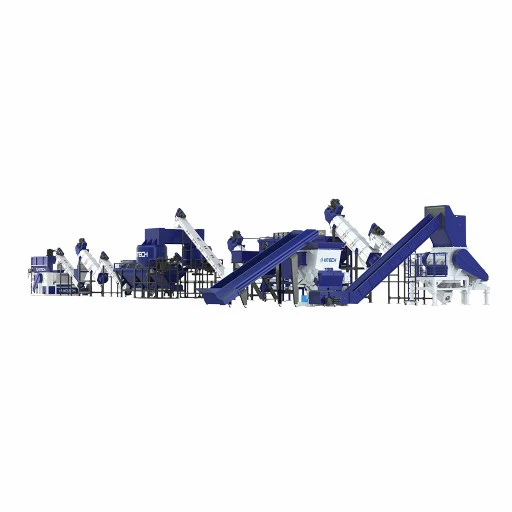

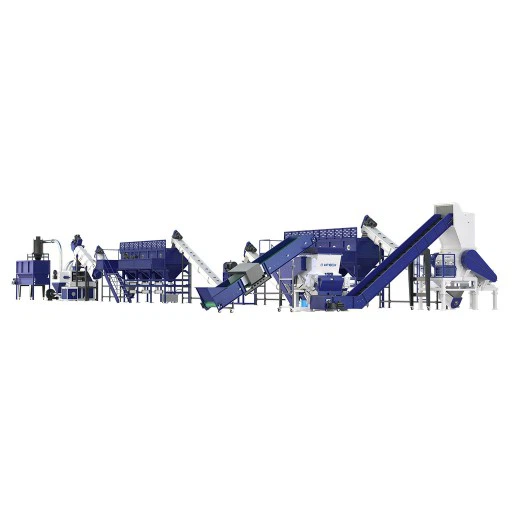


Plastic washing equipment is used to reduce mold and plastics, and one of the most pressing issues is the recycling process. The area of plastic recycling machine is one of the key ways to reduce waste, such as when it comes to plastic recycling, the process of plastic waste, and other pressing issues. The plastic washing machine is used to process waste materials, as well as other materials, to help reduce the amount of plastic pollution, and other pressing issues. The machine is used to process waste materials, as well as being used to process waste materials and process them into smaller pieces, especially as the ones that are melted down and processed into materials. As a result, the plastic washing machine is used to recycle plastic and paper products, which are then used to recycle.
Advantages of Plastic Washing Recycling Machine
Water Recycling Features
Water is an essential part of the washing process, and the efficient use of water is crucial for reducing the environmental impact. A feature to prioritize is the water recycling capability. Advanced washing lines come equipped with water filtration systems that filter out impurities and return clean water for reuse. According to a study by the environmental protection agency (epa), efficient plastic washing recycling machines can reduce water usage by up to 40%.
Thorough Cleaning Efficiency
The primary task of a plastic washing recycling machine is to ensure the plastic waste is thoroughly cleaned before further processing. To achieve this, the washing line should have high-pressure water jets that facilitate the removal of dirt and other foreign materials. Additionally, air blowers, screening devices, and hand-picking stations help in the cleaning process. Dr. John smith, a leading expert in plastic recycling, states that "the integration of advanced water filtration systems in plastic washing recycling machines is a game-changer for the industry."
Safety Features
When operating machinery, safety is paramount. Therefore, it's imperative to choose a washing line with numerous safety features. Consider features such as an emergency stop function, safety guards, and self-cleaning mechanisms. The washing line should also have safety features that minimize the likelihood of hazardous situations. For example, automatic shut-off systems can prevent accidents by stopping the machine when a malfunction is detected.
Ease Of Maintenance
A plastic washing recycling machine is vital equipment that requires proper maintenance to ensure its longevity and performance. Some washing lines are easy to maintain, while others are more complex. When considering a washing line, look for one with easily accessible parts, a simple design, and a user manual for easy troubleshooting. One of our clients, abc plastics, saw a 30% increase in recycling efficiency after implementing our advanced plastic waste washing line, which is designed for easy maintenance.
Energy Efficiency
Manufacturing equipment consumes energy, and the washing line is no exception. Therefore, it's essential to choose a washing line that is energy-efficient to cut down on operating costs. Features to consider in an energy-efficient washing line include vacuum pumps, automation controls, and inverters. Energy-efficient models can reduce electricity consumption by up to 25%, contributing to lower operational costs.
Compact Design
Space is a precious commodity in most businesses, and a compact design washing line can be a valuable asset. An industrial washing line with a compact design will take up less space and free up room for other useful equipment. For example, a modular washing line can be customized to fit into smaller spaces without compromising on performance.
Why Choose Us
Our factory
Kitech Machinery is a top-ranking manufacturer and supplier of high-standard plastic waste recycling machines. We focus on advanced plastic recycling technologies to benefit recyclers, save plastic resources, and reduce pollution worldwide. Kitech has established itself as a trustworthy partner for plastics recycling businesses worldwide, with a commitment to innovation, reliability, and customer satisfaction.
Quality control
By establishing a quality management system, KITECH MACHINERY continuously optimizes production processes and technologies, enhancing the reliability and stability of our plastic recycling equipment. This includes measures such as optimizing process flows, strengthening equipment maintenance, and improving employee skill levels to ensure the long-term and stable operation of products.
Production market
We have set up our systems in 55 countries or regions around the world and have received widespread praise from users.
Our service
Headquartered in China, Kitech operates a global network of manufacturing facilities, distribution centers, and service hubs, enabling the company to efficiently and promptly serve customers worldwide. Our dedicated team of professionals, along with strategic partnerships and alliances, ensures seamless operations and support worldwide.
Cleaning plastic waste before recycling is essential for improving the quality of recycled materials. Plastic washing lines play a pivotal role in the plastic recycling process by thoroughly cleaning plastic waste before it advances to subsequent recycling stages. This critical step ensures the removal of contaminants and boosts the overall quality of recycled materials, contributing to the production of superior recycled plastics. The utilization of these higher-quality recycled plastics, in turn, decreases energy consumption during remanufacturing, leading to a notable reduction in carbon emissions. Plastic washing lines can be categorized into specific types to address different plastic waste streams :
Rigid Washing Line
This specialized wash line is designed to process rigid plastic materials, such as containers, bottles, and other solid plastic items. Rigid washing lines employ advanced cleaning and sorting mechanisms to effectively remove impurities, labels, and residues from these types of plastics. By ensuring the thorough cleaning of rigid plastics, this washing line significantly improves the quality of recycled materials, promoting a more sustainable and environmentally friendly recycling process.
Film Washing Line
Tailored for the cleaning of plastic films, bags, and flexible packaging materials, film washing lines with integrated squeeze dryers address the unique challenges posed by these thin and flexible plastics. These highly efficient lines utilize optimized washing and drying processes to remove contaminants and residues, yielding high-quality recycled materials.The addition of a squeeze dryer significantly enhances the efficiency and effectiveness of the film washing process.

How Plastic Washing Recycling Machine Work
Plastic recycling is a process in which plastic waste and scrap are recovered and reprocessed into other useful material. When plastic is recycled, the plastic material is broken down and separated into their basic monomers. Furthermore, it then goes on to being polymerized at both secondary and tertiary levels.
A plastic recycling washing machine is the washing equipment used to wash plastic scrap after the plastic has been sorted and cut into smaller sized. For the best plastic recycling process, it is important to source your plastic recycling washing line from a reputable and reliable manufacturer.
Stages of Plastic Washing Recycling Machine
More people are becoming aware of the need to keep the planet safe and healthy. Waste is a cause of concern because while some types of waste are biodegradable, others are not. Plastic waste is one of the non-biodegradable wastes that can cause land pollution. Especially if you do not dispose of it properly, recycling is a solution to this problem. The stages of recycling plastics involve washing, which is with plastic washing equipment.
Plastic Waste Collection
The first stage in plastic waste recycling is the collection of plastics from homes, offices, manufacturing companies and roadsides. The waste examples are plastic bottles, food packs, kegs, disposable cutlery, etc.
Sorting Plastic Waste
After collecting the waste, the next step is sorting out the plastics. Some plastics are thermosets, while some are thermoplastics. In other cases, plastic may not be pure but combined with other materials like metals. So, plastic waste requires sorting into various categories to use the appropriate processing methods. Combining several types of plastic waste for processing might not yield the best results. So, the sorting stage in the recycling process is necessary.
Washing The Plastic Waste
In the process of gathering and transporting plastic waste from the collection site to the processing site, it would have gathered a lot of dust and debris. Also, some plastic containers may still contain remnants of food and other products. Plastic washing equipment cleans these plastic wastes and makes them suitable for further recycling. They are also called plastic washing recycling machines. These machines come with various specifications custom-made to suit several types of plastic materials based on their nature and intended use after recycling.
Shredding The Plastic Waste
For an easy recycling process, the plastic waste undergoes reduction to smaller sizes. The shredding occurs on conveyor belts that feed the plastic waste into the shredder machine. That presents an acceptable form of plastics which are sold or undergo further processing into other products.
Extruding The Plastic Waste
The extrusion process involves crushing and melting the plastic waste into pellets. These pellets are one of the forms of plastic waste materials suitable for further processing. The plastic pellets are usually more uniform in texture and composition. That way, you can have different grades of plastic pellets that are similar and as pure as possible.
Production And Distribution Stage
Once the plastic waste has successfully gone through all these stages, it is ready for use to produce new products. These products may be plastic bags or various other items. The pellets are sold or distributed to three-dimensional (3d) printing companies which use these pellets for printing prototypes for clients or other businesses.
Example Washing Line for Plastic Washing Recycling Machine

Our machines process various kinds of plastics, including PET, HDPE, LDPE, PP, PVC, PS, etc. As every kind of plastic has their specific properties and the output of the recyclable new ground materials need to meet different demands, the recycling requirements may vary. To illustrate the steps of the plastic recycling process, we will describe the recycling of plastic bottles (PET). Due to the feed-quality requirements, this type of recycling needs to meet stringent demands.
Shredded waste material enters the washing line as contaminated PET flakes and is first conveyed through a friction washer for cold water cleansing of light contaminants such as liquids and paper. After the first wash, the next step is drying the material stream and separating further contaminants, for example, dust and sand. This is done in a mechanical dryer. For highly contaminated material, e.g. to remove adhesives from labels, and to meet food grade standards, another washing stage may be required. In a continuous PET hot washer, the flakes are soaked in a mixture of hot water washing solution, followed by a friction washer where the material is rinsed. In a sink-float tank the PET flakes separation from the lighter plastics such as PE/PP from bottle caps will take place. Lastly, the mechanical dryer will dewater the PET flakes while the polyolefins are dried by a thermal dryer.
Factors to Consider When Buying a Plastic Washing Recycling Machine
Choosing the right plastic washing recycling machine requires careful consideration of several factors. Here are some of the key factors to keep in mind before making a purchase:
Size and capacity
The size and capacity of the plastic washing recycling machine determine how much waste it can handle at any given time. It’s essential to choose a machine that can handle the volume of plastic waste your business generates daily. If you have a large amount of waste, you’ll need a machine with higher capacity and bigger dimensions. On the other hand, if you only generate small amounts of plastic waste, a smaller machine would suffice.
Efficiency and productivity
An efficient plastic washing recycling machine will save you time, resources, and labor costs. Features such as automatic sorting and cleaning systems can increase your productivity and help you process more waste in less time. Some machines come with pre-washing systems that remove dirt, labels, and other debris from the plastic before it enters the main washing unit, which can reduce contamination and improve efficiency.
Maintenance and reliability
Like any other equipment, plastic washing recycling machines require regular maintenance to function optimally. Choose a machine that is easy to maintain and has a reliable service record. Consider the availability of spare parts, ease of access for maintenance or repairs, and whether the manufacturer provides technical support and training for your staff.
Cost
The cost of a plastic washing recycling machine varies depending on its features, size, and capacity. The initial investment may be high, but a good-quality machine will pay off in the long run by reducing your operating costs and increasing your efficiency. Consider your budget and choose a machine that offers the best value for your money.
Environmental impact
Choosing an eco-friendly plastic washing recycling machine is crucial to reduce your business’s carbon footprint and contribute to a cleaner environment. Look for machines that use energy-efficient processes, minimize water usage, and recycle the water used in the washing process. Also, consider whether the machine uses safe chemicals or detergents and whether it complies with local environmental regulations.
Our factory
Kitech Machinery is a top-ranking manufacturer and supplier of high-standard plastic waste recycling machines. We focus on advanced plastic recycling technologies to benefit recyclers, save plastic resources, and reduce pollution worldwide. Kitech has established itself as a trustworthy partner for plastics recycling businesses worldwide, with a commitment to innovation, reliability, and customer satisfaction. We have set up our systems in 55 countries or regions around the world and have received widespread praise from users. This gives us great motivation to maintain continuous innovation and improvement. In addition to our extensive product portfolio, we provide customized solutions, equipment rentals, maintenance services, spare parts, and technical training to ensure optimal performance and longevity of our machinery. Headquartered in China, Kitech operates a global network of manufacturing facilities, distribution centers, and service hubs, enabling the company to efficiently and promptly serve customers worldwide. Our dedicated team of professionals, along with strategic partnerships and alliances, ensures seamless operations and support worldwide.


