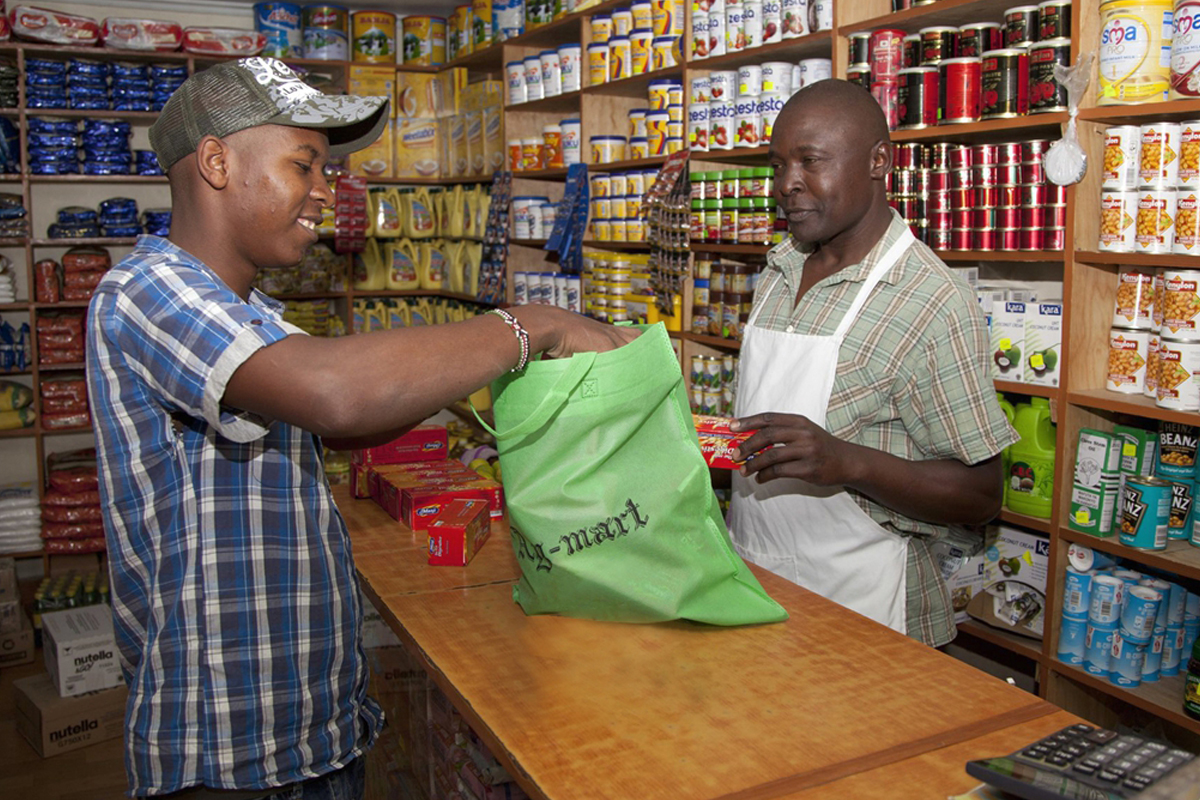
At the Kimironko Market in Kigali, the capital of Rwanda, despite its bustling atmosphere, plastic bags are nowhere to be seen. Environmental awareness runs deep among the locals; vendors voluntarily provide paper bags or reusable tote bags, while woven and non-woven bags have become the new favorites on the streets. Since Rwanda enacted its plastic ban in 2008, the production, use, import, and sale of polyethylene bags have been completely prohibited, with violators facing severe penalties. This measure has not only cleaned up the market environment but also demonstrated Rwandans' respect for and protection of the ecological environment.
I. Changes in Kigali Markets
Since Rwanda's plastic ban in 2008, environmental awareness in markets has increased, plastic bags have almost disappeared, and alternatives such as woven and non-woven bags have become widespread, transforming the city's appearance. Plastic bags, an invention that once revolutionized human life, are now highly controversial due to their difficulty in degrading. Its long natural degradation process not only pollutes soil and water sources but also breaks down into tiny fragments in the ocean, posing a potential threat to ecosystems and human health. In Kigali, the capital of Rwanda, plastic bags are now rarely seen, thanks to the country's strict ban on plastics implemented in 2008. At that time, Kigali was filled with discarded plastic bags; these non-biodegradable plastic wastes not only clogged underground water pipes but also seriously affected the city's appearance and the health of people and animals. However, ten years later, the results of Rwanda's "plastic ban" are evident. The city's roadsides are lush with vegetation, and there is almost no "white pollution" on the streets. Its clean and orderly appearance is among the best in African cities.

The Joint Role of the Rwandan Government and Citizens Strict government enforcement and high citizen compliance, coupled with innovative cooperation from the private sector, have effectively solved the problem of white pollution, demonstrating Rwanda's successful transformation. In fact, Rwanda's successful transformation relies not only on strict government enforcement but also on citizen compliance and innovative cooperation from the private sector. While many developed countries are still hesitant about a complete ban on plastics, Rwanda has demonstrated that with strong government will, law-abiding citizens, and active cooperation from the private sector, the problem of plastic pollution can be effectively solved.
The Use and Business Opportunities of Non-Plastic Alternatives The plastic ban has created new business opportunities for paper packaging materials. Increased demand for paper bags has benefited companies like Bonus Industries Ltd. "Rwanda is a country where policies are effectively implemented," says a Chinese businessman from Wenzhou, Zhejiang Province, who has run hotels and supermarkets in Rwanda for over 20 years and has witnessed the country's transformation from plastic bag overload to a complete ban. Today, his supermarket only provides paper and non-woven bags, and he's long been accustomed to a plastic-free lifestyle. In the early stages of the policy's implementation, the Kigali municipal government emphasized the environmental harm of plastics and the importance of compliance through various channels, including official documents, television, and radio. He admitted that initially, like others, he thought the policy would be relaxed. However, the government sent people to conduct strict inspections of various stores, and his store was fined for violating regulations on the use of plastic bags, which made him deeply realize that "strict laws are not to be taken lightly."
II. Global Impact of the Rwandan Experience
Similar Plastic Ban Practices in Kenya
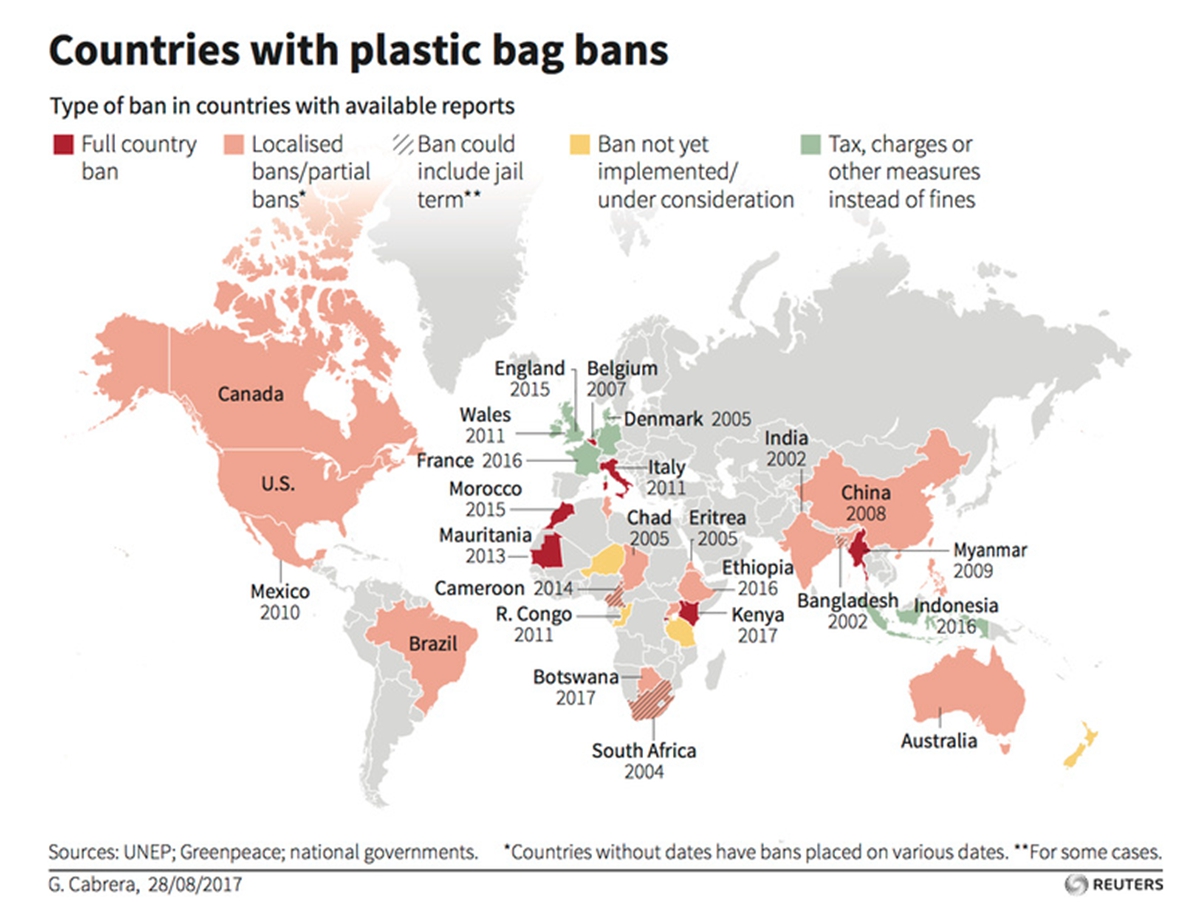
Kenya Rwanda implemented a strict plastic ban in 2017, with significant results: fewer plastic bags, the use of alternatives, and improved urban environments. Rwanda's plastic ban practice set an example for Africa and the world. Kenya, another East African country, followed suit, implementing an even stricter plastic ban in August 2017, completely prohibiting the use, production, and import of commercial and household plastic bags, including tote bags and flat bags. Violators face fines of up to 4 million Kenyan shillings (approximately US$39,600) and up to four years in prison.
III. Plastic ban policies in Africa Promotion Across Continents and Globally
The evaluation of plastic ban policies by the United Nations and national governments indicates that regional cooperation and advanced technologies can more effectively reduce plastic pollution and promote global environmental protection. In June of this year, at the G7 summit held in Quebec, Canada, Rwandan President Kagame shared his country's ten-year experience with plastic bans and emphasized the importance of public-private partnerships. He stated that involving the private sector in finding viable solutions not only helps reduce resistance to change but also creates new jobs and income streams. Ultimately, Rwandan citizens, residents, and tourists will benefit, enjoying life in a cleaner environment.
This year, a report by the United Nations Environment Programme (UNEP) listed more than 80 countries worldwide that have implemented plastic bans or restrictions, 28 of which are located in Africa. Countries such as Morocco and Niger have also joined the ranks of those banning plastics, but the effectiveness varies. Kenya faces two major challenges in its plastic ban process: finding economically viable alternative materials and ensuring that the ban covers neighboring countries to prevent plastic smuggling. Mohamed, UNEP's Regional Director for Africa, stated... Atani suggests that establishing regional plastic ban plans would help enforce the ban more effectively. At the same time, governments, the private sector, and civil society need to work together to ensure the plastic ban policy is effective.