

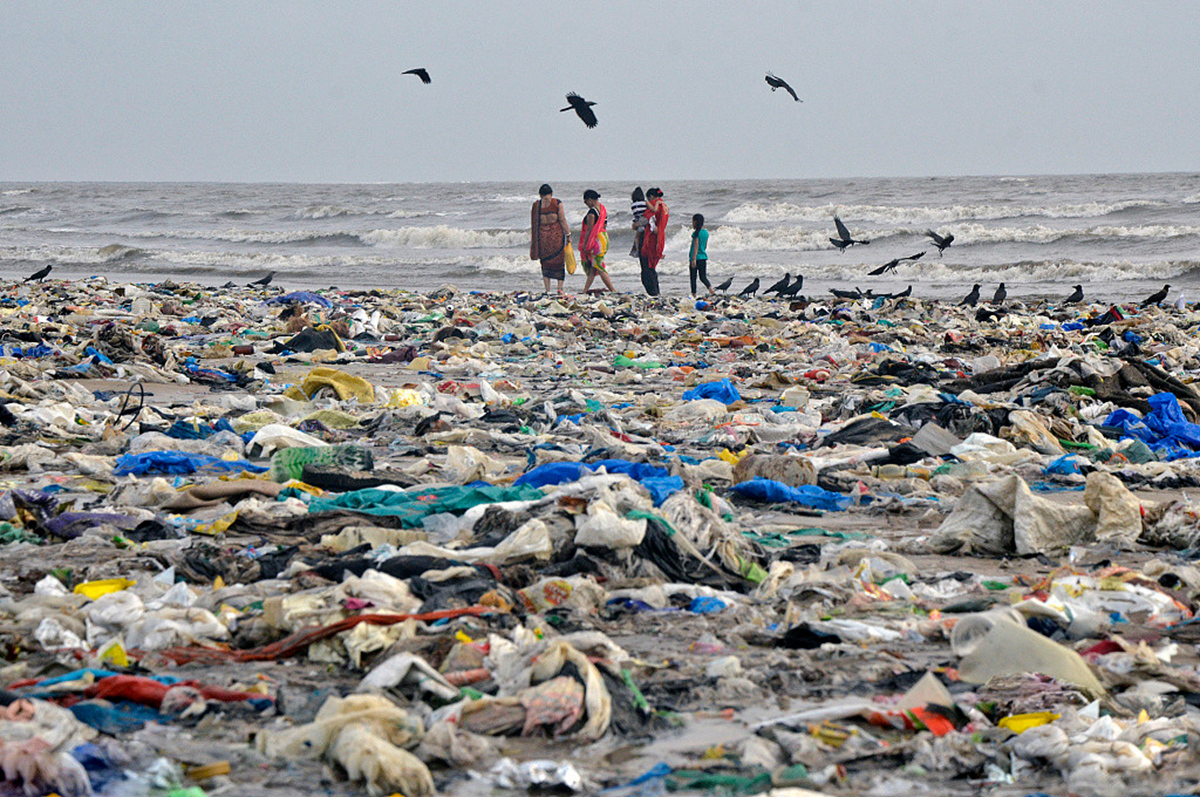
According to the latest research data, India generates 9.3 million tons of plastic waste annually, representing 20% of the world's total-meaning one out of every five pieces of plastic waste globally comes from India.
Where does all this plastic go? Only 12% is recycled.
Despite the massive scale of India's plastic industry, its waste management system is severely inefficient. Currently, only 12% of the country's plastic is recycled, while 20% is incinerated. The remaining 70% remains unaccounted for-ending up in rivers, farmlands, roadsides, and open landfills, posing a persistent environmental threat.
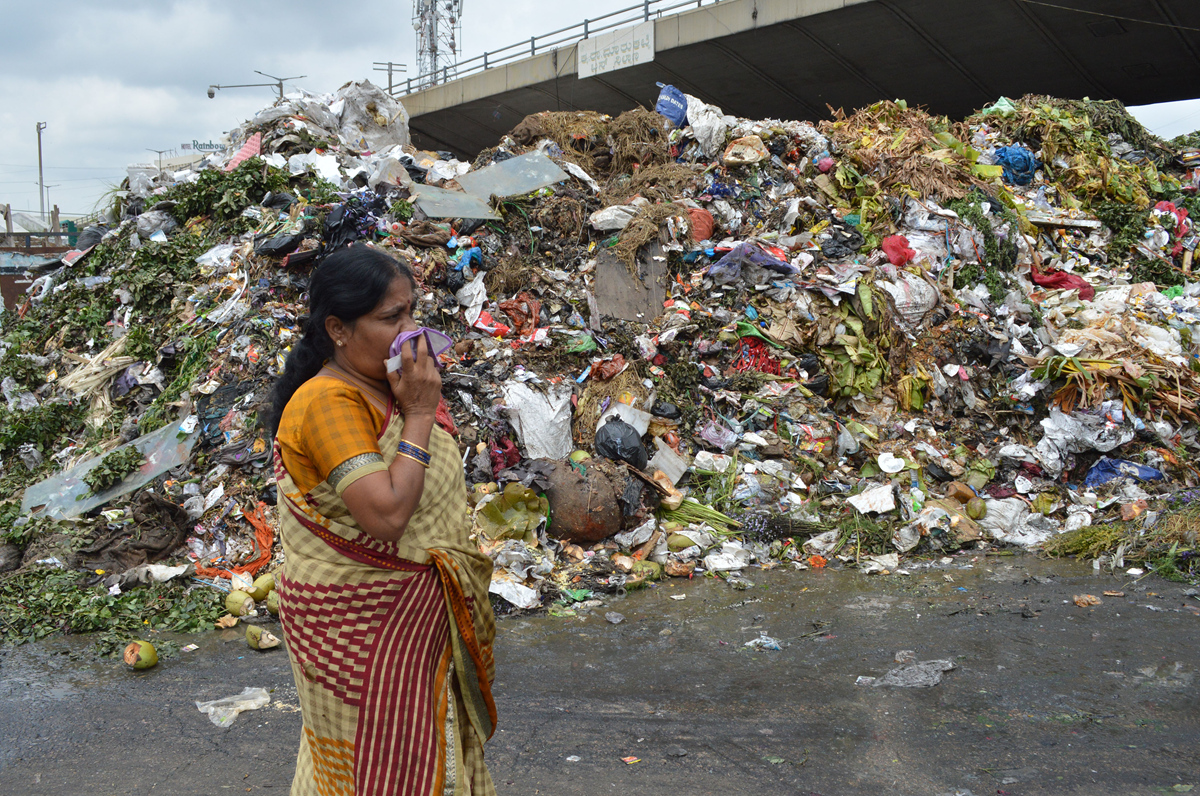
Pollution Hotspots: From the Ganges to the Slums
India's pollution problem is already "notorious": in 2018, 14 of the world's 15 most polluted cities were in India. AFP bluntly described the country as "a nation drowning in plastic." Although the capital, New Delhi, banned plastic bottles as early as 2009 and further imposed a single-use plastic ban in 2022, enforcement has been largely ineffective. Plastic packaging remains widely used in vegetable transport and food delivery. One local resident admitted, "We are too poor to have other choices."
The Pollution Dilemma in Wealthy States
Take Maharashtra, India's wealthiest state, as an example: In 2022, the state generated 536,000 tons of plastic waste, with per capita annual discards of 5.36 kg in urban areas and 3.38 kg in rural areas. If current trends continue, plastic demand is projected to surge by 568% by 2040, with waste volumes rising to 3.58 million tons. Meanwhile, the recycling rate is expected to drop from 19% to 13%. Even more alarming, plastic incineration releases 2.72 million tons of CO₂ annually-equivalent to the yearly emissions of 600,000 cars.
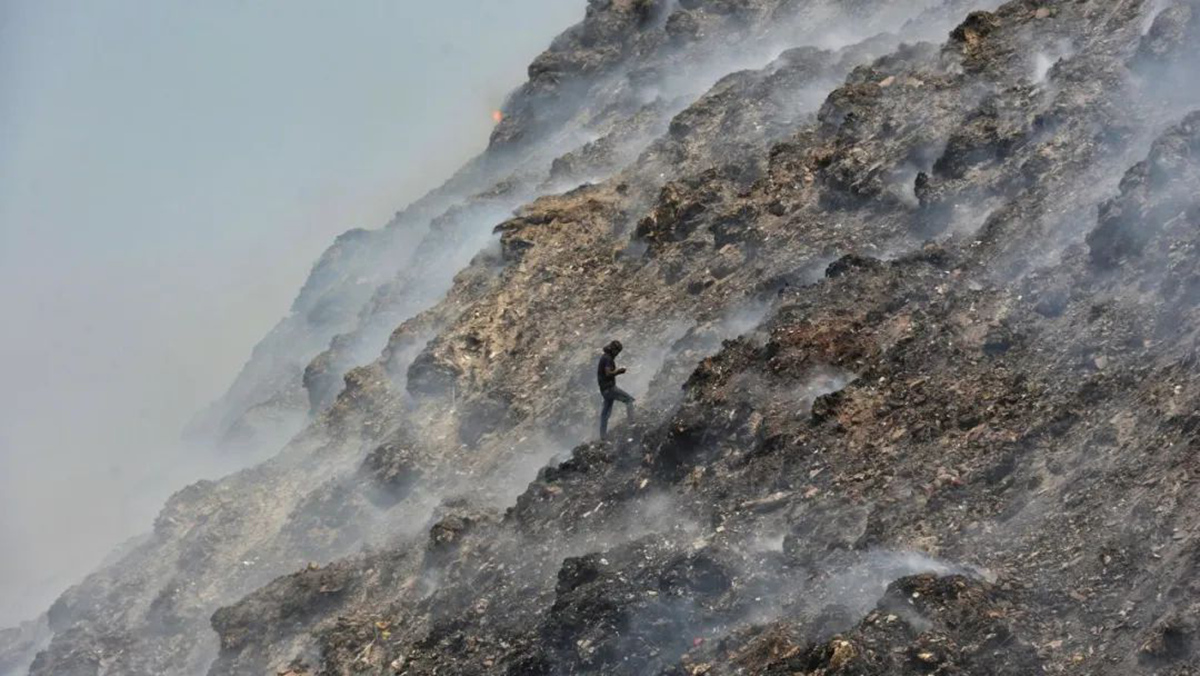
Policy Implementation Challenges and a Weak Recycling System
Although India has introduced the Plastic Waste Management Rules, requiring companies to achieve 100% recycling by 2024, reality lags far behind the target. In 2014, Modi launched the "Clean India Mission," proclaiming "toilets before temples" and promising a clean nation by 2019. Despite investing hundreds of millions of dollars, the country has struggled to effectively implement even the 2002 version of waste management rules. Another cleanliness drive was launched in 2019 with a substantial budget, yet as of 2023, there were fewer than six large waste processing companies nationwide. Mumbai, with a population of 26 million, has only one waste processing company.
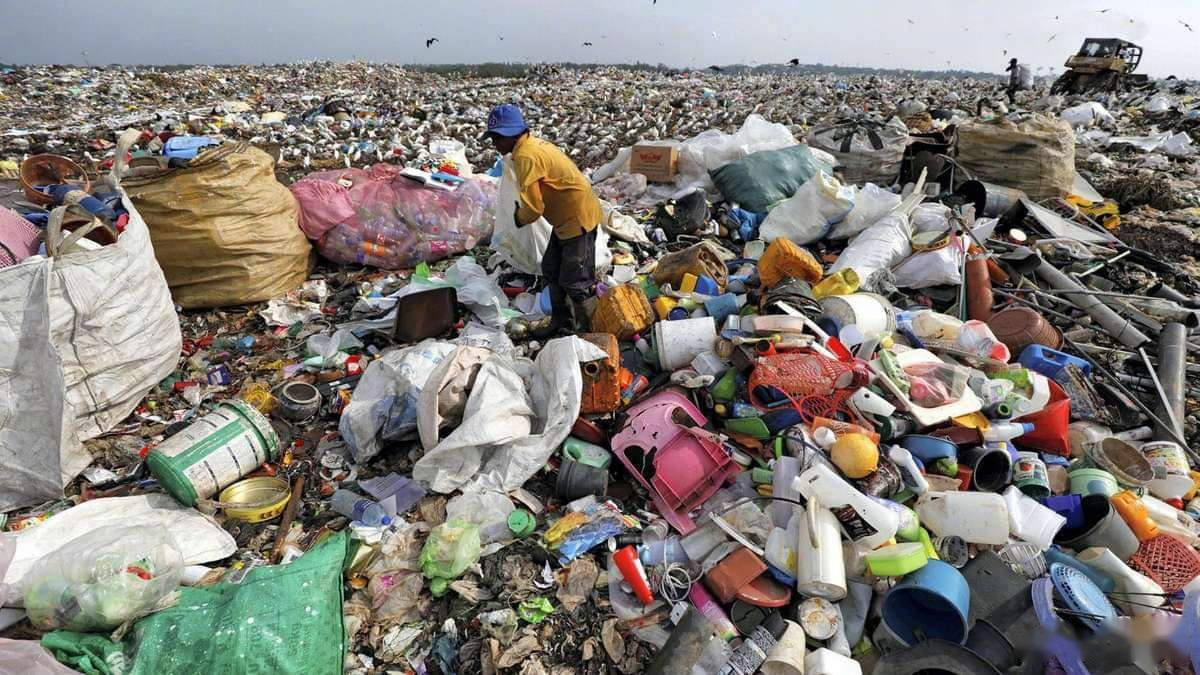
Waste Pickers: The Most Vulnerable Link in the Recycling Chain
India's waste recycling relies on a vast and informal ecosystem, at the bottom of which are the waste pickers. Earning just around 200 rupees per day, they form the backbone of the recycling chain-collecting, sorting, and selling waste upstream. They not only face threats from rats, stray dogs, monkeys, pigs and birds, but also endure police harassment and control by criminal gangs. Low-caste waste pickers are often used as scapegoats by the police, while gangs frequently resort to violence to control waste territory and even force the poor into labor.
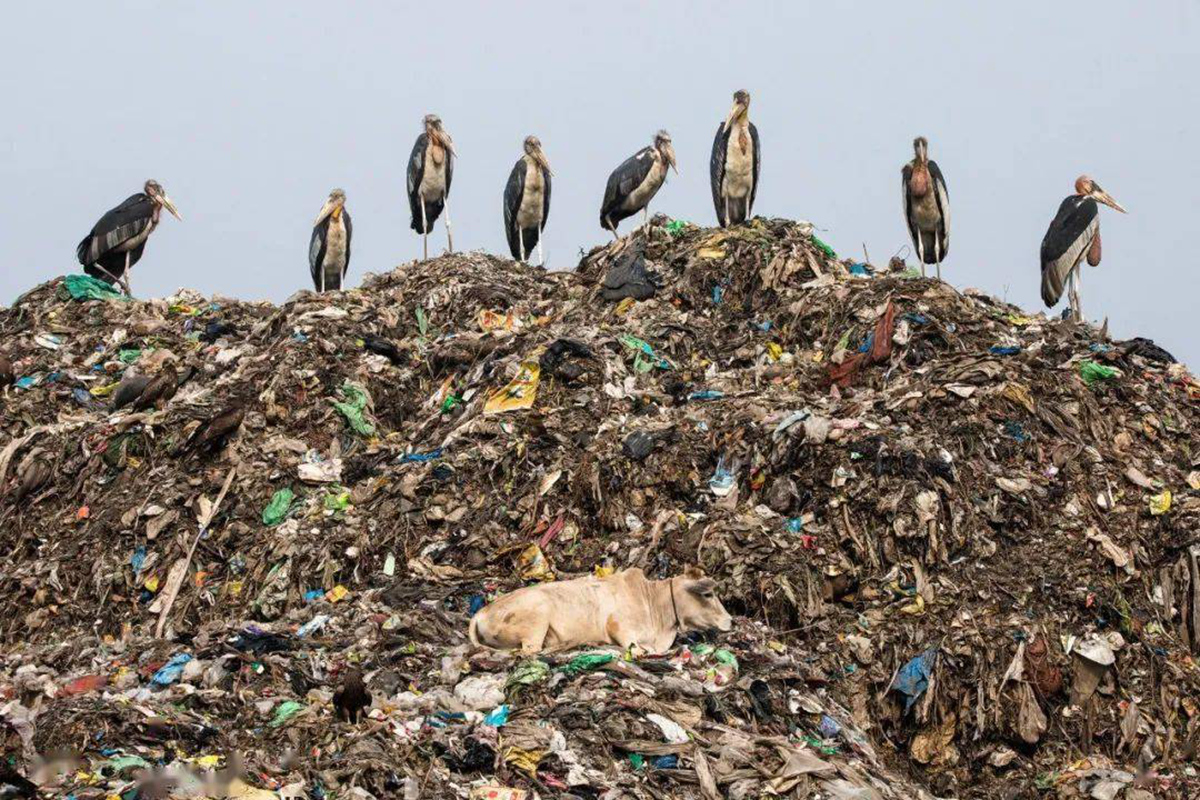
A Glimmer of Hope: The Emergence of a Circular Economy
A number of tech-driven recycling companies are gradually rising to prominence. For instance, Ganesha Ecosphere has recycled over 41 billion plastic bottles, saving 5.4 million cubic meters of landfill space. Maharashtra has also set a goal to increase its circularity rate to 48% by 2040, with plans to promote reusable packaging and support recycling-oriented design technologies.
The Health Toll: Microplastics Are Poisoning Everyone
Open burning, a common waste disposal method, continuously releases highly carcinogenic dioxins, PM2.5, and black carbon, directly elevating risks of cancer, respiratory diseases, and developmental abnormalities in newborns. A report by the Centre for Science and Environment in India revealed that various heavy metals (nickel, copper, zinc, cadmium, lead, manganese) have been detected in the Ganges and its banks, entering human bodies through water, soil, and the food chain. A 2025 study in Nature Medicine pointed out that the microplastic content in the brain tissue of deceased individuals in 2024 was 50% higher than in 2016, averaging about 7 grams-equivalent to at least one spoonful of plastic per person. No one can escape.
Kitech Machinery Commitment
As a trailblazer in plastic recycling technology, Kitech Machinery empowers industries worldwide with smarter, sustainable solutions. Our mission? To turn the tide on plastic waste-efficiently, profitably, and responsibly."
Plastic Recycling & Washing Machine: Transform contaminated plastics into ready-to-reuse flakes.
Plastic Pelletizing Machine: Turn scraps into premium-grade pellets with precision efficiency.
Shredders & Crushers: Crush bulky waste effortlessly for seamless downstream processing.
Squeezer & Dryers: Applied for drying LDPE industry film/bag and PP woven bags - perfect for high-moisture plastics!
Choose Kitech. Choose an efficient, stable, and sustainable future for plastic recycling.
Email: remond@kitechpm.com
Send an inquiry: https://www.kitechrecycle.com/contact-us


