01 Global Plastic Crisis: Urgent Need for Action
According to a landmark study published in Nature, over 52.1 million metric tons of plastic waste enters the environment annually. Urban areas generate 5,000+ pollution hotspots worldwide, with 57% of plastics openly burned and 43% discarded as unmanaged fragments. While affluent regions ("Global North") contribute primarily via littering, the "Global South" faces challenges from uncollected waste streams. Alarmingly, under 50% of plastic bottles (1 million sold/minute globally) are recycled effectively, and a mere 7% achieve bottle-to-bottle circularity. The rest pollutes landfills and oceans.

02 Circular Innovation: PET Bottle Recycling & Textile Transformation
Leading manufacturers now pioneer closed-loop systems, converting post-consumer PET bottles into performance textiles. The process:
1.Collection & Sorting: Post-consumer bottles gathered from waste streams.
2.Mechanical Processing: Crushed into flakes, washed, and super-cleaned.
3.Polymer Melting & Extrusion: Melted into PET polymer resin, extruded into continuous filaments.
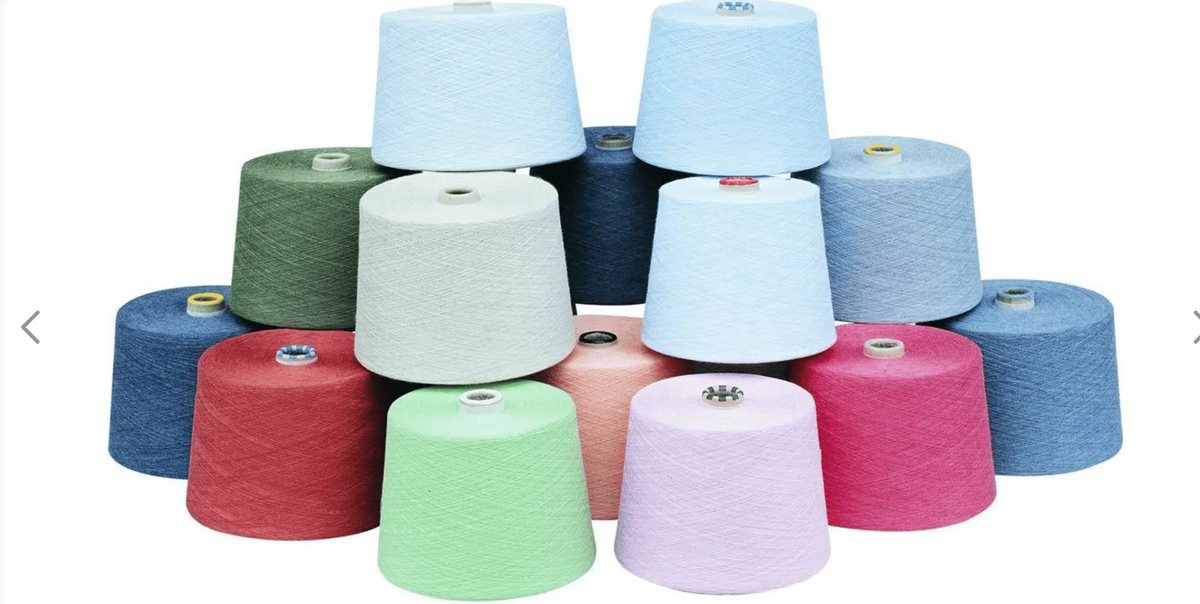
4.Yarn Spinning & Fabric Production: Filaments spun into rPET (recycled polyethylene terephthalate) yarn, woven/knitted into textiles.
Scalability: Advanced facilities process 1.5 million bottles/day, reducing water/energy footprints vs. virgin polyester.

03 Market Momentum: rPET Textiles' Technical & Economic Edge
As the dominant synthetic fiber, polyester (85% of China's fiber output – 39,000 kilotons in 2017) drives demand. rPET fabrics excel in:
1.Functional Properties: Breathability, elasticity, wrinkle resistance.
2.Cost Efficiency: Lower-priced alternative to cotton.
3.Sustainability Metrics: 90% water savings, 50% energy reduction vs. conventional production.
Applications span athletic wear, outerwear (e.g., down jackets), footwear, and fast fashion.

04 Leadership Spotlight: India's Green Statement
At the 2023 Parliament Budget Session, PM Narendra Modi showcased a rPET-derived blazer – a symbol of textile sustainability. This garment, requiring 90% less water and 50% less energy to produce, later debuted at India Energy Week, spotlighting national decarbonization commitments.

05 Commercial & Ecological Value Proposition
rPET conversion turns low-value waste into premium goods:
3 bottles → 1 drawstring bag
12 bottles → 1 T-shirt or shoe
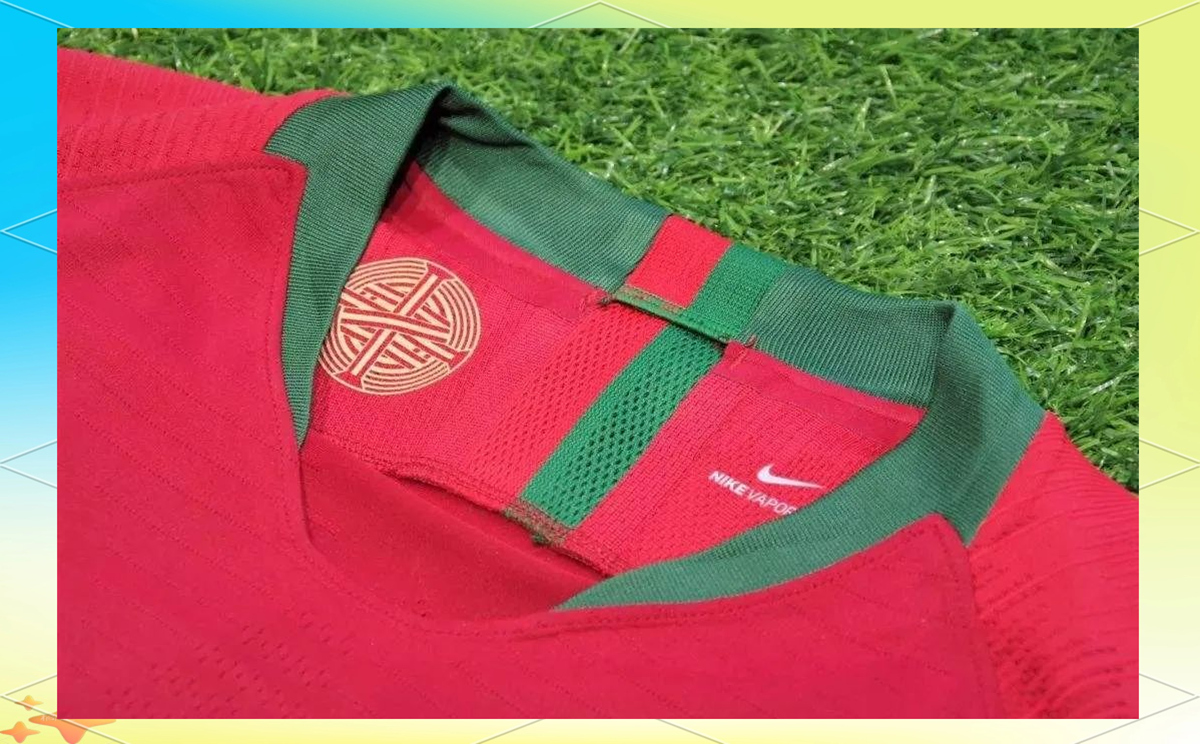
High-margin applications: Football jerseys/sportswear command premium pricing (up to $100+), amplified by eco-conscious branding appealing to global consumers.
06 Kitech Machinery: Enabling Circular Supply Chains
As a turnkey plastic recycling equipment provider, Kitech delivers integrated solutions:
As a trailblazer in plastic recycling technology, Kitech Machinery empowers industries worldwide with smarter, sustainable solutions. Our mission? To turn the tide on plastic waste-efficiently, profitably, and responsibly."
✅ Plastic Pelletizing Lines: Turn scraps into premium-grade pellets with precision efficiency.
✅ Recycling & Washing Systems: Transform contaminated plastics into ready-to-reuse flakes.
✅ Shredders & Crushers: Crush bulky waste effortlessly for seamless downstream processing.
✅ Squeezer & Dryers: Applied for drying LDPE industry film/bag and PP woven bags - perfect for high-moisture plastics!


07 Conclusion: Weaving a Sustainable Future
Many companies have successfully transformed recycled plastic bottles into practical textiles, setting an example for the global sustainable textile industry. Compared with traditional textile production methods, the method of producing fibers using recycled PET not only saves up to 90% of water resources, but also reduces energy consumption by 50%.
The process of recycling plastic bottles into recycled fibers not only embodies the concept of environmental protection, but also contains huge commercial potential. These seemingly cheap plastic bottles can be transformed into high-value-added daily necessities after a series of recycling processes. For example, only 3 plastic bottles are needed to make a practical drawstring bag; 1 shoe or 1 T-shirt only needs 12 plastic bottles. What is even more surprising is that these football jerseys and sportswear recycled from plastic bottles, although low in cost, can be sold at a high price of hundreds of yuan. Moreover, because they are labeled as environmentally friendly, they are deeply loved and sought after by fans at home and abroad.